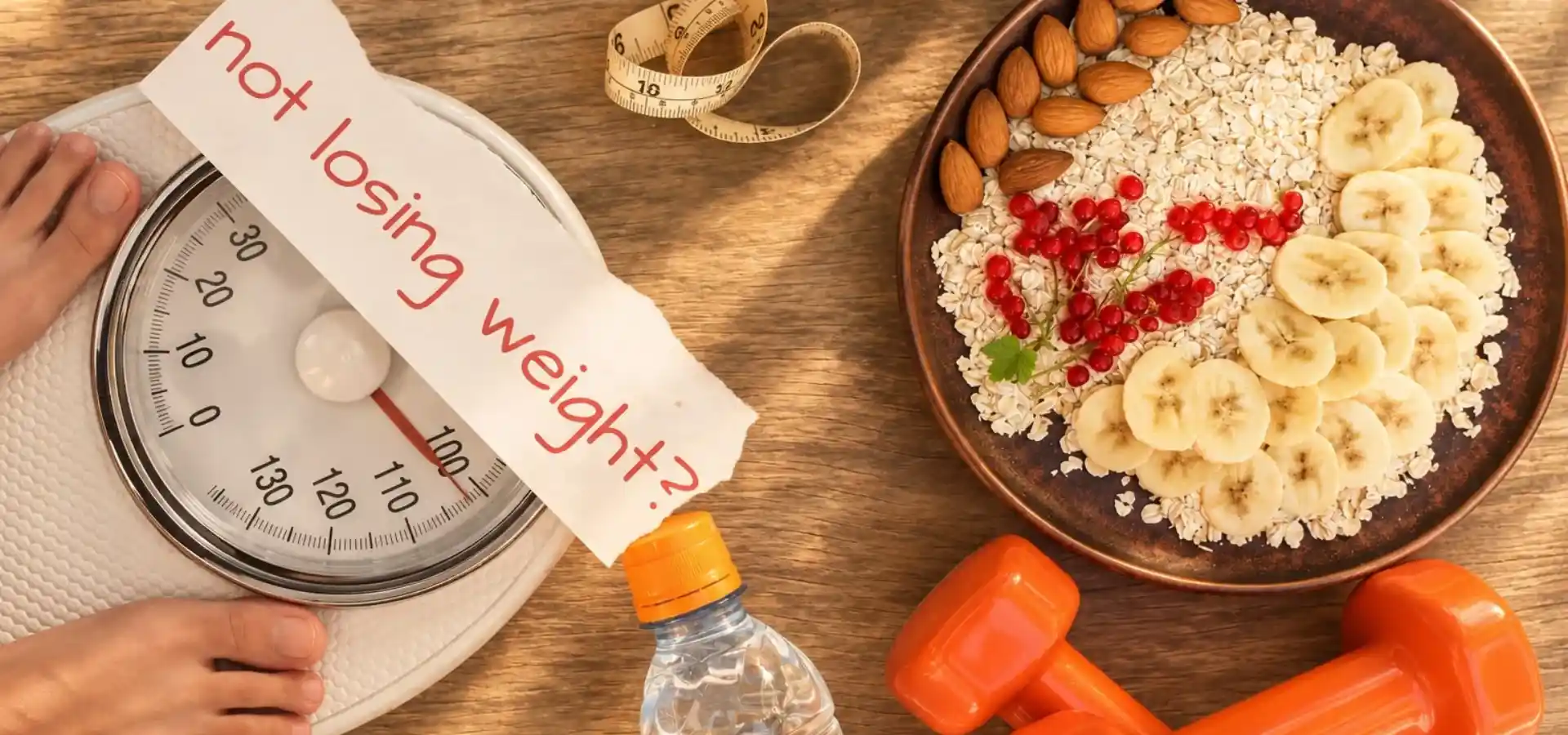
You have been watching what you eat, making time for workouts, and trying to stay consistent. Yet, when you step on the scale, the number barely changes.
It is understandable to wonder whether you are doing something wrong or whether something else is affecting your weight.
If you are not losing weight despite diet and exercise, several factors may be involved. Your body may now require fewer calories than before, your actual energy intake may be higher than expected, or temporary water retention may be masking changes in body fat. Sleep, medications, hormonal conditions, and other health factors can also play a role.
The important distinction is that difficulty losing weight is a symptom or concern, not a diagnosis in itself.
Understanding why your progress has slowed can help determine whether you need a change in your routine, a medical assessment, or simply more time to evaluate your results.
Why Am I Not Losing Weight Even Though I Am Eating Less and Exercising?
Weight loss involves a combination of energy intake, energy expenditure, and the body’s biological responses.
Although reducing calorie intake and increasing physical activity can support weight loss, these changes do not always produce the same results in every person.
The National Institute of Diabetes and Digestive and Kidney Diseases (NIDDK) identifies several factors that influence body weight, including medical conditions, medications, genetics, sleep, and everyday lifestyle habits.
This means two people following similar diets and exercise routines may experience different results.
Several common explanations are worth considering.
1. Your Body May Be Burning Fewer Calories Than Before
One of the most important weight loss plateau causes is the change in energy requirements that occurs as body weight decreases.
When you lose weight, your body generally needs fewer calories to maintain its new, lower weight.
For example, the amount of energy required to support daily activities at 90 kilograms is usually greater than the amount needed at 80 kilograms, assuming other factors remain similar.
Weight loss can also produce changes in appetite and energy expenditure that make further progress more difficult.
This is sometimes described as metabolic adaptation.
According to the Mayo Clinic’s guidance on weight loss plateaus, the same eating and exercise routine that initially helped someone lose weight may eventually become sufficient only to maintain their new weight.
A plateau does not necessarily mean your metabolism is damaged.
It may simply mean your energy requirements have changed, and your current routine needs reassessment.
2. You May Be Consuming More Calories Than You Realise
Eating healthy food is important, but healthy eating and weight loss are not necessarily the same thing.
Foods such as nuts, olive oil, avocado, and nut butters provide valuable nutrients. However, they can also contribute substantial calories depending on portion sizes.
Similarly, beverages, sauces, cooking oils, and small snacks throughout the day may increase total energy intake without being particularly noticeable.
This does not mean you need to weigh every meal or count calories indefinitely.
However, if your weight has remained unchanged for some time, reviewing your usual eating patterns with a qualified professional can help identify whether adjustments are needed.
The aim should be to establish a nutritionally adequate eating pattern that supports your goals, not simply to eat as little as possible.
3. Exercise May Not Be Creating the Expected Energy Deficit
Regular exercise provides benefits for cardiovascular health, muscle strength, insulin sensitivity, and overall wellbeing.
However, exercise does not always lead to significant weight loss on its own.
One reason is that physical activity represents only part of your total daily energy expenditure.
For example, you might complete a morning workout but spend most of the remaining day sitting at a desk.
Some people also become hungrier after exercising or move less during the rest of the day because they feel tired.
These responses vary between individuals.
Rather than focusing exclusively on gym sessions, it may be useful to consider your overall daily movement, walking habits, strength training, and recovery.
Exercise remains valuable even when the scale does not move as expected.
4. Water Retention May Be Hiding Changes in Body Fat
The number on the scale does not represent body fat alone.
Your weight also reflects water, muscle, food being digested, and other components of body composition.
Short-term fluctuations may occur due to increased sodium intake, carbohydrate consumption, constipation, hormonal changes, or a new exercise routine.
For example, beginning strength training may temporarily increase fluid retention as your muscles respond to unfamiliar activity.
Menstrual cycle changes can also influence water retention in some women.
The Cleveland Clinic’s explanation of daily weight fluctuations highlights why short-term changes on the scale should not automatically be interpreted as fat gain or fat loss.
This is particularly relevant if you have been following a new routine for only a week or two.
A longer-term weight trend is generally more informative than an isolated reading.
5. Poor Sleep and Stress May Be Affecting Your Progress
Sleep and stress can influence weight management, although neither should automatically be considered the sole explanation for difficulty losing weight.
Inadequate sleep may increase hunger, affect food choices, and make it harder to maintain physical activity.
Stress can also influence eating patterns, sleep quality, and daily routines.
For someone managing long working hours, frequent travel, or an unpredictable schedule, these factors may become particularly relevant.
A person may be following a carefully planned diet during the day but experiencing increased hunger, irregular meals, or reduced activity because of poor sleep.
Addressing these patterns may make a weight management plan more sustainable.
However, routine testing of stress hormones is not necessary simply because weight loss has been slow.
6. Certain Medications or Medical Conditions May Contribute
Sometimes, difficulty losing weight is associated with an underlying medical condition or medication.
Examples include hypothyroidism, polycystic ovary syndrome (PCOS), and, less commonly, conditions involving excess cortisol.
Certain medicines, including some antidepressants, corticosteroids, and diabetes treatments, may also contribute to weight gain.
The degree of effect varies significantly between medications and individuals.
It is important not to stop prescribed medication because of concerns about weight without discussing alternatives with your treating doctor.
Not everyone struggling to lose weight has a hormonal or metabolic disorder.
Medical investigations become useful when there are symptoms, examination findings, or health risks suggesting a particular condition.
Is It a Weight Loss Plateau or Something Else?
A weight loss plateau occurs when weight reduction slows or stops after an initial period of progress.
However, not every unchanged reading on the scale represents a true plateau.
If your weight has remained similar for several days, this may reflect normal fluctuation rather than an interruption in fat loss.
If your average weight has remained stable over several weeks despite consistent efforts, it may be reasonable to review your current approach.
Another consideration is body composition.
Someone who has recently started resistance training may experience changes in muscle mass and body fat that are not fully reflected by the scale.
However, it is also important not to assume that unchanged weight over several months must mean muscle gain.
Body measurements, exercise performance, dietary patterns, and longer-term weight trends can provide additional information.
The clinical question is not simply whether your weight has stopped changing, but whether your current approach is producing the health outcomes you are aiming for.
Could Hormonal Imbalances Be Making Weight Loss Difficult?
Hormones are involved in appetite, energy regulation, metabolism, and fat distribution.
However, the relationship between hormones and body weight is complex.
Thyroid Problems
An underactive thyroid, or hypothyroidism, can contribute to weight gain and may be associated with fatigue, constipation, dry skin, and increased sensitivity to cold.
However, hypothyroidism does not explain most cases of obesity or difficulty losing weight.
If thyroid function is normal, taking thyroid medication does not provide a safe or appropriate weight-loss treatment.
Testing is most useful when symptoms or clinical findings suggest thyroid dysfunction.
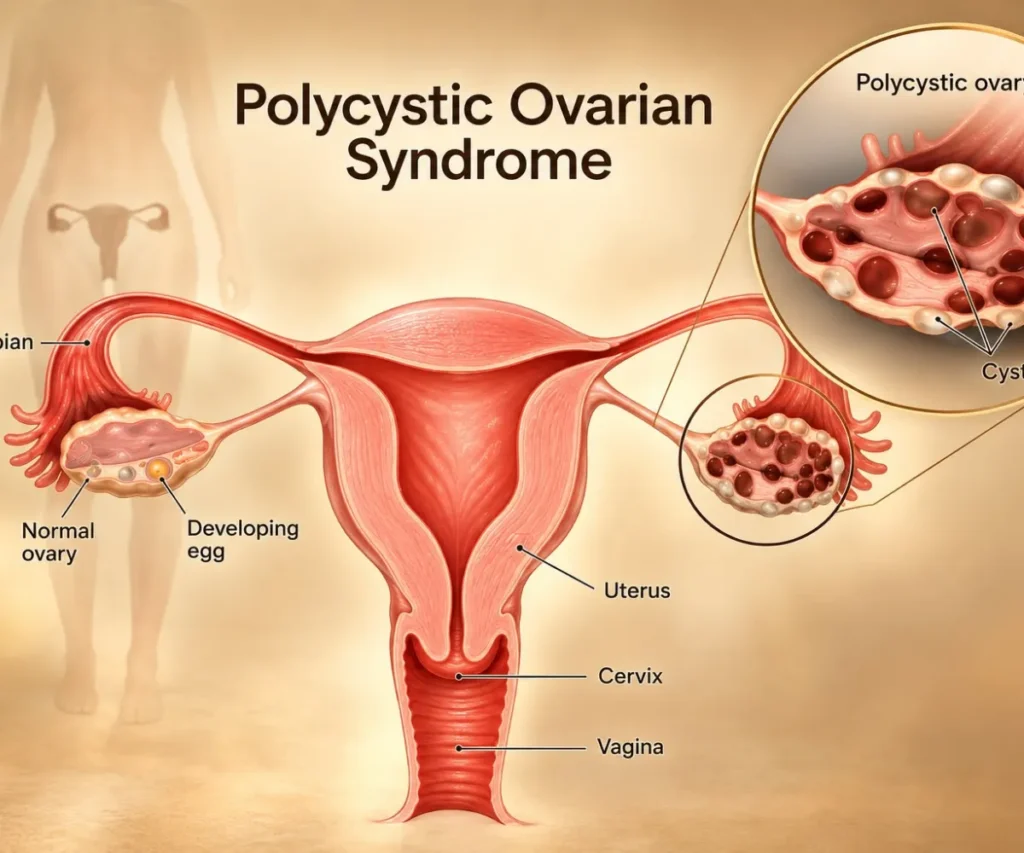
Polycystic Ovary Syndrome (PCOS)
PCOS may be associated with insulin resistance, weight-related concerns, irregular menstrual cycles, acne, and increased facial or body hair.
Not every woman with PCOS is overweight, and weight gain alone is insufficient to diagnose the condition.
The American College of Obstetricians and Gynecologists’ guidance on PCOS explains that assessment considers menstrual patterns, hormonal features, and other relevant findings.
If PCOS is identified, management depends on the patient’s symptoms, metabolic health, and reproductive goals.
Perimenopause and Menopause
During the menopausal transition, changes in estrogen levels and aging-related changes in body composition can influence fat distribution.
Some women notice increased abdominal fat, reduced muscle mass, or changes in weight during this period.
However, menopause does not automatically mean weight loss becomes impossible.
Changes in sleep, physical activity, dietary habits, and overall health should also be considered.
A clinical assessment can help identify which factors are relevant rather than attributing every weight change to hormones.
When Should You See a Weight Management Doctor?
If you have consistently followed dietary and exercise changes but are experiencing persistent difficulty losing weight, a medical review may be helpful.
This is particularly relevant if weight changes are accompanied by symptoms such as unusual fatigue, menstrual irregularities, excessive thirst, or other concerns.
A weight management doctor can help assess whether your current strategy is appropriate and whether there are medical factors that require attention.
Dr. Zainab Moalla’s approach to weight and metabolic health begins with reviewing the patient’s medical history, symptoms, lifestyle, and relevant clinical findings.
Rather than assuming that every patient needs extensive testing or a particular treatment, the aim is to identify which factors may be contributing to the difficulty and what can reasonably be addressed.
What Does a Medical Weight Management Assessment Include?
The assessment typically starts with a discussion of your weight history.
Your doctor may ask when the difficulty began, whether you previously lost weight, what approaches you have tried, and how your weight has changed over time.
Your eating habits, physical activity, medications, sleep, and relevant medical conditions may also be reviewed.
Clinical measurements can include BMI, waist circumference, and blood pressure.
The NICE guidance on assessing overweight and obesity recommends considering body measurements alongside existing health conditions and individual risk factors.
Depending on your circumstances, your doctor may consider:
- HbA1c or blood glucose: To assess diabetes or prediabetes.
- Lipid profile: To evaluate cholesterol and triglyceride levels.
- Thyroid function: When symptoms or findings suggest a thyroid disorder.
- Additional hormonal tests: When there is a specific clinical reason, such as suspected PCOS or another endocrine condition.
- Other investigations: When needed to assess associated medical conditions or symptoms.
Not every patient requires all these investigations.
Blood tests should answer specific clinical questions rather than be used as a routine explanation for every unsuccessful weight-loss attempt.
Importantly, test results should be interpreted alongside the patient’s history and examination.
What Can You Do When Diet and Exercise Are Not Producing Results?
The next step is not necessarily to follow a stricter diet or increase exercise intensity.
A more useful approach is to review what has changed, what has remained consistent, and whether your current goals are appropriate.
Reassess Your Eating Pattern
Consider whether your usual portion sizes, snacks, beverages, or weekend eating patterns have changed.
A registered dietitian can help assess your nutritional intake and suggest adjustments without unnecessary food restrictions.
If weight loss is medically appropriate, achieving an energy deficit remains important. However, this should not come at the expense of adequate nutrition.
The NICE recommendations on dietary approaches to weight management support flexible, nutritionally balanced eating plans adapted to individual preferences, circumstances, and health conditions.
Review Your Overall Physical Activity
Regular walking, resistance training, and reducing prolonged sitting may contribute to a more sustainable activity routine.
For many adults, working towards at least 150 minutes of moderate-intensity aerobic activity per week, alongside muscle-strengthening activities, supports general health.
However, exercise recommendations should be adapted for patients with cardiovascular disease, joint problems, mobility limitations, or other medical concerns.
Consider Whether Your Goal Needs Adjustment
Not every person needs further weight loss.
If you have already reached a healthy weight, maintaining your current weight while improving fitness, strength, or metabolic health may be a more suitable goal.
For others, additional weight loss may provide clinical benefits, particularly when weight-related conditions are present.
The appropriate target depends on your starting point and overall health.
Allow Time for Meaningful Assessment
Daily fluctuations can make progress difficult to interpret.
Following weight trends over several weeks, using consistent measurement conditions, and reviewing relevant health indicators may provide a more useful picture.
If your approach is not producing the expected results, a professional review can help determine whether adjustments are appropriate.
Do You Need Weight Loss Medication If Your Weight Has Plateaued?
No. A weight loss plateau alone is not an indication for prescription weight-management medication.
For many patients, reviewing nutrition, physical activity, sleep, and existing health conditions is an appropriate starting point.
Medication may be considered in selected adults with obesity or overweight accompanied by relevant weight-related health conditions.
Suitability depends on medical history, BMI, associated health risks, contraindications, and the potential benefits and adverse effects of treatment.
Weight-management medicines are not interchangeable, and individual responses vary.
In Dubai, prescription treatment must also comply with applicable UAE medicine approvals and prescribing requirements. The Emirates Drug Establishment’s official medicine approval information provides regulatory context, but approval of a treatment does not establish its suitability for an individual patient.
Medication should support an appropriate medical management plan rather than replace the assessment of why weight loss has been difficult.

When Is Difficulty Losing Weight a Sign of Another Health Problem?
Difficulty losing weight is not usually an emergency.
However, certain changes deserve medical attention.
Rapid weight gain accompanied by swelling of the legs or significant breathlessness may indicate fluid retention associated with a medical condition rather than increased body fat.
Chest pain or severe breathing difficulty requires emergency assessment.
Symptoms such as excessive thirst, frequent urination, marked fatigue, or unexpected changes in weight should also prompt timely medical evaluation.
Similarly, persistent menstrual irregularities, unexplained weakness, or other new symptoms may justify further investigation.
The presence of these symptoms does not establish a particular diagnosis, but they should not be dismissed as ordinary weight fluctuations.
1. Why am I not losing weight despite eating healthy?
Healthy food choices support overall health, but weight loss also depends on total energy intake, physical activity, and individual factors. Portion sizes, medications, sleep, and changes in energy requirements may influence results.
2. Can I lose fat without seeing changes on the scale?
Yes. Temporary water retention and changes in body composition can make fat loss less noticeable on the scale. However, if weight and other measurements remain unchanged over a prolonged period, your current approach may need reassessment.
3. How long does a weight loss plateau last?
There is no fixed duration. Short-term fluctuations may resolve within days, while a sustained plateau can continue until relevant dietary, activity, or treatment factors change. Several weeks of consistent measurements are generally more informative than a few days.
4. Does a slow metabolism prevent weight loss?
A lower energy expenditure can make weight loss more difficult, but it does not make weight loss impossible. Energy requirements change with body size, age, muscle mass, and other factors. The appropriate response depends on the individual.
5. Can insulin resistance make weight loss difficult?
Insulin resistance is associated with obesity and metabolic conditions such as type 2 diabetes and PCOS. However, the relationship is complex, and insulin resistance should not automatically be assumed to explain difficulty losing weight.
6. Should I get my hormones tested if I cannot lose weight?
Not always. Hormonal testing is most useful when symptoms or examination findings suggest an endocrine condition. Routine testing of multiple hormones without a clear clinical indication may not provide useful answers.
7. Can stress stop me from losing weight?
Stress may influence weight management through changes in sleep, appetite, food choices, and activity levels. However, stress alone should not automatically be considered the cause of a weight plateau.
8. Why has my weight stopped decreasing after losing the first few kilograms?
As you lose weight, your body generally requires less energy. The eating and activity routine that initially produced weight loss may eventually become sufficient only to maintain your new weight.
9. Should I eat less or exercise more if my weight is not changing?
Not necessarily. First assess whether your current routine is nutritionally adequate, realistic, and appropriate for your health. Further calorie restriction or increased exercise may not be suitable for everyone.
10. Can a doctor help if I have tried several diets without success?
Yes. A doctor can review your weight history, assess relevant medical conditions and medications, evaluate health risks, and determine whether nutritional support, lifestyle changes, or additional treatment may be appropriate.